How to Shop at Wet Markets in Hong Kong – A Friendly Practical Guide
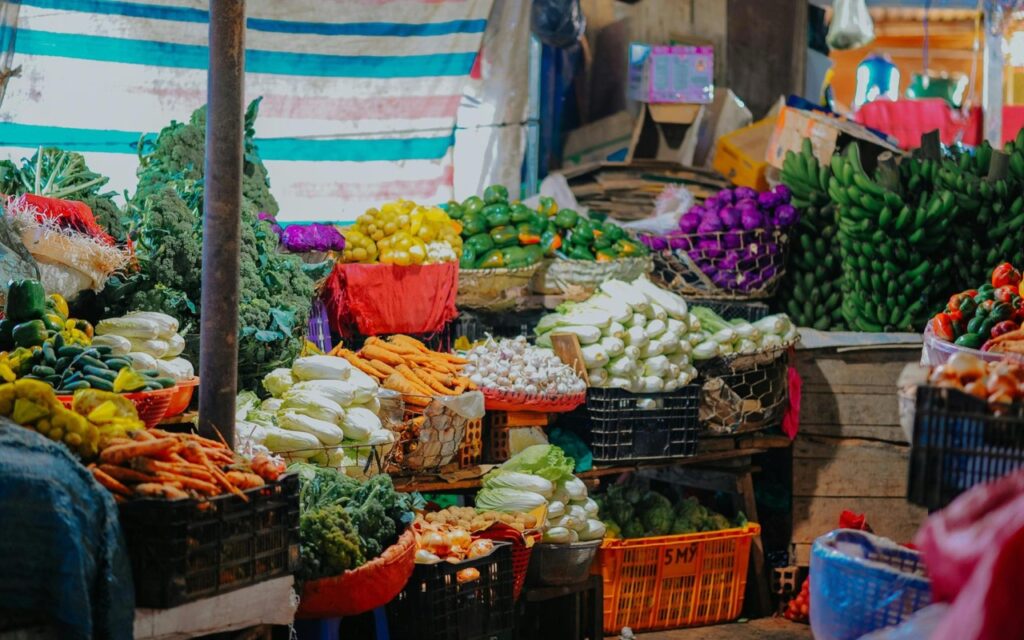
Hong Kong’s wet markets offer one of the most authentic — and delicious — ways to shop for daily groceries. Beyond just the produce, meats, and fish, wet-market shopping immerses you in a rhythm of community, tradition and spontaneity that big supermarkets rarely match. If you’ve never tried it before (or even if you have), this guide will walk you through how to shop smart, what to expect, and how to get the most out of your visit.
What Exactly is a “Wet Market”?
In Hong Kong, a wet market is a traditional style market that sells fresh perishable goods — think vegetables, fruits, seafood, live or chilled poultry, meats — and often other household-type groceries. (Wikipedia)
These markets differ from modern supermarkets in many ways: they tend to be more community-oriented, with goods laid out on open stalls, minimal packaging, and — often — vendors selling by weight (rather than fixed prepacked amounts). (Jayson Cheung)
For many Hong Kong residents — older people, families, domestic helpers, budget-conscious shoppers — wet markets remain the go-to for fresh, affordable ingredients.
How Products Are Priced & Weighed — Understanding the “Catty” System

One of the first things to get used to when shopping at wet markets in Hong Kong is the unit of measurement: most stalls sell produce by the catty (斤, pronounced “gan/kan”).
- 1 catty = 604.8 grams according to current legal definition under Hong Kong’s weights and measures law.
- Sometimes smaller units (such as the tael / “兩”, 1/16 of a catty) are used — more common for dried goods, herbs, or items sold in small quantities. (Sassy Mama)
What this means in practice
- When you see a pile of leafy greens, or fruits, there is usually a sign showing a price “per catty.” You might buy “1 catty of bok choy,” “0.5 catty of Chinese broccoli,” etc. (Honeycombers)
- For meats, fishes or seafood, sellers might also weigh them and charge accordingly. For example, some cuts of pork may be priced per catty — e.g. “five-flower belly” or “first cut” at around HK$50–60 per catty (though prices vary depending on cut, demand, season). (Sassy Hong Kong)
- For whole fish or crabs, sometimes price is by the item (or by weight — depending on the vendor and the item).
Because of this approach, wet-market shopping gives you flexibility: you can buy exactly what you need (not too much, not too little), customize quantities more finely, and often get better value compared with packaged supermarket goods. As one expat shopper put it — what might cost twice as much in a supermarket could be half the price at a wet market if you shop smart. (expatgourmand.blogspot.com)
What You Can Buy — Fresh & More
Wet markets typically offer a huge variety. You’ll often find:
- Fruits and vegetables — locally grown or imported, seasonal produce, leafy greens, root vegetables, herbs. (bird-garden.hk)
- Meats — pork, poultry (sometimes freshly slaughtered or freshly butchered), different cuts (like pork belly, “first cut,” chops, etc.). (Sassy Hong Kong)
- Seafood — fresh fish, live or chilled, shellfish, crustaceans. Some stalls even allow you to choose live seafood. (HK CITY GUIDE)
- Dried goods, staple groceries — noodles, rice, sauces, spices; sometimes dried seafood; basic pantry staples. (Honeycombers)
- Household items — and in some markets, you may find traditional items like incense, small home necessities, or even baked goods, depending on the stalls.
This mixture makes many wet markets not just grocery spots — but community hubs where locals handle most of their everyday cooking needs.
When’s the Best Time to Go — Freshness vs Bargains

Timing your visit can seriously affect what you get and how much you pay.
- Morning (roughly 7:00 AM–11:00 AM): This is when markets tend to be most lively, with fresh deliveries just in and the widest selection of produce, meat and seafood. If you want the best goods — freshest veggies, live fish, newly butchered meat — this is the slot to go. (bird-garden.hk)
- Late afternoon (around 3:00 PM to market close): As day winds down, some vendors prefer to discount what remains rather than store it overnight. That means you might snag bargains if you pick produce or seafood carefully.
Weekdays vs Weekends: Weekdays are usually more relaxed, fewer crowds. Weekends tend to draw more local shoppers — especially families — which can make stalls crowded but also lively.
Heads-up: Markets can get crowded, narrow, and a bit chaotic; bring a reusable shopping bag (or better yet a foldable shopping cart) to make carrying items easier. Many vendors appreciate when you avoid touching produce directly — observe what locals do. (thetripee.com)
How to Behave, What to Know — Etiquette & Practical Tips
Shopping at a wet market is a little different from a clean, air-conditioned supermarket — but that’s part of the charm.
- Bring cash: Many stalls remain cash-only (despite some accepting Octopus cards), so it’s better to have cash on hand.
- Be polite and patient: A little Cantonese helps — even basic words like “幾多錢?” (“Gei do chin?” — “How much?”) or “平啲啦” (“Peng di la” — “Cheaper, please”) make a difference. Respectful haggling is often accepted; aggressive bargaining isn’t.
- Look before you buy: Walk through the market first; compare stalls, check quality, price per catty, freshness of produce and seafood.
- Ask for help: If you’re unsure about amounts or cuts — especially meat — butchers are often happy to give suggestions depending on what you want to cook. Regulars often get better service.
Be ready for smells, crowd, noise: Traditional wet markets are full of sensory overload — fish tanks, live seafood, ice, meat chopping, steam, people chatting in Cantonese, narrow aisles, sometimes slippery floors. Embrace the chaos — or come prepared (hand sanitiser, good bag, maybe gloves). (HK CITY GUIDE)
Where to Find Affordable — and Popular — Wet Markets
Some markets are more famous (and more affordable) than others. Here are a few you might want to try:
Chun Yeung Street Wet Market (North Point)
- A classic open-air wet market in the heart of a residential area. It’s often called one of the best “local” food markets on Hong Kong Island. (Cathay Pacific)
- Expect a lively atmosphere, street-stall layout, and a wide variety of fresh produce, meats, seafood, and everyday groceries — often at reasonable, local-friendly prices rather than tourist- or premium-driven prices.
Wan Chai Market (and its surrounding street stalls)
- Located near cross-streets like Cross Street, Tai Yuen Street, Stone Nullah Lane — this wet market combines a covered market building and many outdoor stalls scattered through adjacent streets, making for a vibrant, immersive shopping zone. (Wanchai Guide)
- Great for everyday fresh goods — veggies, meat, seafood — often at competitive prices compared with supermarkets. It’s a go-to for locals wanting traditional market produce. (OneVasco Blog)
Mong Kok Traditional Market / Nearby Wet-market Stalls
- In neighborhoods like Mong Kok, many older-style markets continue to serve locals — fresh produce, meats, seafood — often at lower prices than supermarkets, plus a much wider selection.
- Great for budget-conscious shoppers or those seeking high turnover (freshness), especially if you shop at less touristy, local-frequented stalls rather than the ones in prime, high-traffic zones.
Tip: Because wet markets are often located within or near residential districts, you’ll find many clustered under or beside residential buildings — markets serving the local community rather than tourists. 🏢 Many are there just for residents’ daily grocery needs.
What About Supermarkets Like Kai Bo Food Supermarket?
You might wonder: where does a chain supermarket like Kai Bo fit in the picture?
- Kai Bo started in the 1990s; its roots trace back to a meat shop in a wet market in Shau Kei Wan, and the first Kai Bo supermarket opened in 1997. (Wikipedia)
- Over time, Kai Bo expanded across Hong Kong with many branches. Its positioning is to offer affordable food retail — groceries, meats, produce — often competing with the big supermarket chains.
- Because of its origins and mission (serving “street-shop / neighbourhood” shoppers), Kai Bo bridges between traditional wet-market sensibilities (price-consciousness, food-focus) and supermarket convenience (fixed stores, somewhat more predictable service). (Wikipedia)
In other words: if you want some of the affordability and selection of wet markets but with a more familiar supermarket layout and perhaps less sensory overload, Kai Bo (or similar chain supermarkets) can be a reasonable compromise. Still — many locals stick to wet markets for freshness, flexibility, and tradition.
Why Many Wet Markets Are Right Under (or Beside) Residential Buildings

Wet markets in Hong Kong largely serve local communities, especially older residents, working families, and domestic helpers — people doing daily grocery runs rather than occasional big supermarket trips.
Because of this, many wet markets are embedded directly in or under residential neighbourhoods: corners of housing estates, small alleys between flats, ground-floor market halls, street stalls running along narrow residential lanes. This proximity means convenience — easy to get fresh food daily without travelling far.
Also, because wet markets face competition from modern supermarkets and chain grocery stores, their survival often depends on serving local needs — fresh produce, affordable staples, and community-oriented service rather than high-end branding.
Benefits of Shopping at Wet Markets (and What You “Gain”)
- Freshness & variety: Many items — produce, seafood, meat — are often much fresher than in supermarkets. You also get a wider range: seasonal vegetables, traditional cuts of pork/chicken, live seafood sometimes.
- Flexible quantity & less waste: Because items are sold by weight (catty / tael) rather than fixed packaging, you can buy just what you need — great for smaller households or just for a meal or two.
- Value for money: Wet-market prices tend to be lower than supermarkets, especially for everyday ingredients. This is particularly attractive to cost-conscious locals.
- Local cultural experience: Shopping in a wet market is more than just buying groceries — it connects you to the rhythm of daily life, gives you first-hand exposure to how many Hong Kongers shop and cook, and can be a fun, sensory experience.
Community feeling: Vendors and buyers often know each other; regulars may get better cuts, or small talk may lead to cooking tips. For many long-time residents, the wet market is part of daily routine.
Challenges & What to Watch Out For
Of course, wet-market shopping isn’t for everyone — there are trade-offs:
- Crowds, noise, smells, and sometimes unruly environment: Not as clean or sanitized as supermarkets; you may have to deal with fish tanks, ice, water on floors, strong smells, tight aisles, and daily bustle.
- Language / communication barrier (for non-Cantonese speakers): Many vendors may speak little English. But even if you don’t know Cantonese, pointing, basic phrases, or showing the amount you want can work.
- Cash-only stalls: As mentioned — some stalls don’t accept cards, so you need enough cash on hand.
- Need to inspect carefully: Because produce and seafood are often loose or unpackaged, you may want to inspect for freshness. And because it’s by weight, you should keep an eye on the scales (though by and large wet-market vendors follow the legal standard of the catty).
Hygiene and perishability: Because goods aren’t pre-packed, and refrigeration may vary, produce or seafood may not last as long as supermarket-bought items — better for immediate or near-term cooking.
Step-by-Step: How to Shop at a Wet Market — A Friendly Walkthrough
Here’s a walkthrough-style “wet market shopping mission” you can follow:
- Choose your market — pick a wet market located near a residential area, or one of the popular ones like Chun Yeung Street, Wan Chai Market, or a market in Mong Kok. These tend to balance good selection and reasonable prices.
- Go either early morning (for freshness) or late afternoon (for bargains). Bring a foldable cart or strong reusable bag, and some cash.
- Walk through the market first with no pressure to buy — check out multiple stalls, compare produce/meat/seafood, quality and price per catty, see what looks freshest.
- Decide what you need — maybe 1 catty of leafy greens, 0.5 catty of pork belly, a live fish — and point or tell the vendor in Cantonese (or English if possible) what and how much you want. Eg. “一斤白菜” (“one catty of bok choy”), or “豬腩肉半斤” (“half a catty of pork belly”).
- Inspect the goods — smell, appearance, freshness, live fish movement (if buying seafood), clarity of scales, etc. Trust your senses.
- **Pay (cash if needed), bag up your goods, and — if buying produce — consider storing them properly when you get home (fridge, wrapping, etc.) to prolong freshness. Also bring sanitizing wipes/spray if you like, especially after handling meat or fish.
Enjoy your haul! Cook simple stir-fries, soups, steamed fish, or whatever you had in mind — proud knowing you shopped like a local.
Why Hong Kongers (Still) Love Wet Markets
Even in a city with modern supermarkets, shopping malls, and convenience stores, wet markets remain dear to many Hong Kong residents. There are several reasons:
- Freshness & quality: You get freshly butchered meat, just-arrived seafood or produce — often far fresher than pre-packed supermarket goods.
- Flexibility & affordability: You buy exactly what you need (not more) and often pay less per amount, making it easier to cook modest daily meals.
- Tradition & community: Wet markets are social hubs: neighbours meet, vendors become familiar faces, and shopping becomes more than a chore — it becomes part of daily ritual.
- Cultural connection: For many locals, wet-market shopping preserves old-school values — choosing ingredients carefully, cooking from scratch, living seasonally, and forming relationships with vendors.
Even as the city modernizes, wet markets remain anchored in everyday life — especially in old districts, among long-time residents, and in neighbourhoods that have resisted total commercial overhaul.
Final Thoughts — Embrace the Chaos, Enjoy the Freshness
If you’re visiting Hong Kong, or even staying for a while, I really encourage you to try shopping at a wet market at least once. It may feel chaotic, a bit overwhelming, even messy — but that’s part of what makes it special. Shopping there is a sensory, social, and cultural experience — not just a transaction.
You might leave with a bag of greens, some fresh fish, pork belly and maybe a few other surprises — but more than that, you’ll take home a bit of local rhythm, tradition and daily life that you won’t find in a shiny supermarket.
So next time you’re near a residential neighbourhood or a district like North Point, Mong Kok or Wan Chai — drop by a wet market. Walk among the stalls, sniff the produce, pick your food with your own hands, maybe try a little Cantonese, haggling or not — and enjoy the authentic taste of Hong Kong.
Happy shopping! 🛒